
Tire Pressure: The Small Habit That Affects Everything

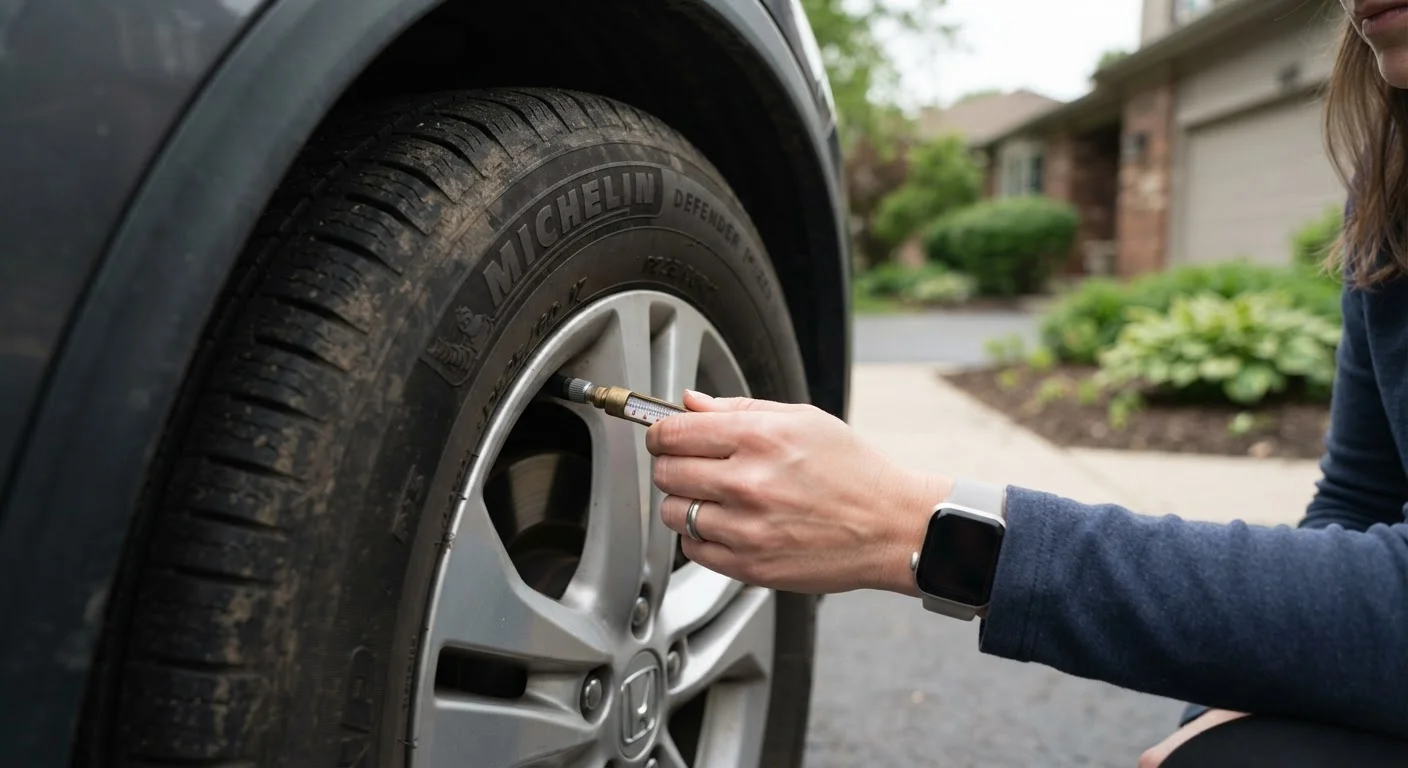
Photo: InDepthReads.com | Streamlining Learning For All editorial
Key Takeaways
- Tires lose roughly 1 PSI of pressure for every 10°F drop in ambient temperature.
- Under-inflated tires reduce fuel efficiency and wear out unevenly and faster.
- The correct pressure for your vehicle is on the door jamb sticker, not the tire sidewall.
- Check tire pressure monthly and always before long road trips.
- A basic tire pressure gauge costs just a few dollars and is worth keeping in your glove box.
Why Tire Pressure Is More Consequential Than It Looks
Tire pressure sits near the bottom of most drivers' mental maintenance lists — somewhere below oil changes and above replacing windshield wipers. But the air inside your tires is the only thing standing between thousands of pounds of moving vehicle and the road surface. Getting it right affects braking distance, handling response, fuel economy, and how quickly your tires wear out.
The U.S. National Highway Traffic Safety Administration (NHTSA) has documented that significantly under-inflated tires are a contributing factor in thousands of crashes each year. That's a meaningful safety concern hiding behind what feels like a trivial chore. Understanding the mechanics — and the simple habit — can change how you think about this small number on your dashboard or door jamb.
If your vehicle has a Tire Pressure Monitoring System (TPMS), you may already be familiar with the horseshoe-shaped warning light that appears when pressure drops critically low. But TPMS alerts are a last resort, not a maintenance tool — the system typically triggers only when a tire is already 25% below its recommended pressure. For everyday optimization, that's too late. You can learn more about what that and other dashboard symbols mean in Your Car's Warning Lights, Decoded.
Best Practices for Checking and Maintaining Tire Pressure
Following a consistent, informed approach removes the guesswork and builds a habit that pays dividends over the life of your tires.
Always check pressure when tires are cold — before driving more than a mile.
Use your vehicle's door jamb sticker — not the tire sidewall — for the correct PSI target.
Check all four tires — and the spare — at least once a month.
Invest in a reliable dial or digital tire gauge rather than relying on gas station air hoses.
After inflating tires, recheck the pressure before driving.
How Weather and Seasons Change the Equation
Temperature is the silent variable most drivers forget. Air contracts in cold weather and expands in heat, which means your tire pressure changes with the seasons — even if you never drive a mile.
1 PSI
Pressure lost per 10°F temperature drop
This is a widely cited industry estimate from automotive engineering standards — a 30-degree drop from fall to winter can deflate tires by 3 PSI or more.
~0.5%
Fuel economy lost per 1 PSI underinflation
The U.S. Department of Energy estimates fuel efficiency can decrease by roughly 0.5% for every 1 PSI drop across all four tires below recommended pressure.
As a general rule, expect to add air in fall and winter and keep a closer eye on pressure in summer heat spikes. This is especially important during seasonal transitions. For a broader look at what cold and hot weather do to your vehicle, see Seasonal Car Care: Preparing Your Vehicle for Weather Changes.
Nitrogen Fill: Is It Worth It?
Quick Wins You Can Do Today
You don't need a shop visit or special knowledge to start protecting your tires right now. The following actions take minutes and require little to no cost.
Tire pressure is one of those maintenance items that rewards consistency over intensity. Like a monthly financial check-in, making it a brief, regular ritual prevents small problems from quietly compounding. Skipping it long enough is the kind of oversight covered in The Assumptions That Cost Drivers Money at the Mechanic.
The content on this site is for informational purposes only and is not a substitute for professional advice. Always consult a qualified professional for guidance specific to your situation.