
Consumer Rights Every American Shopper Should Know by Heart

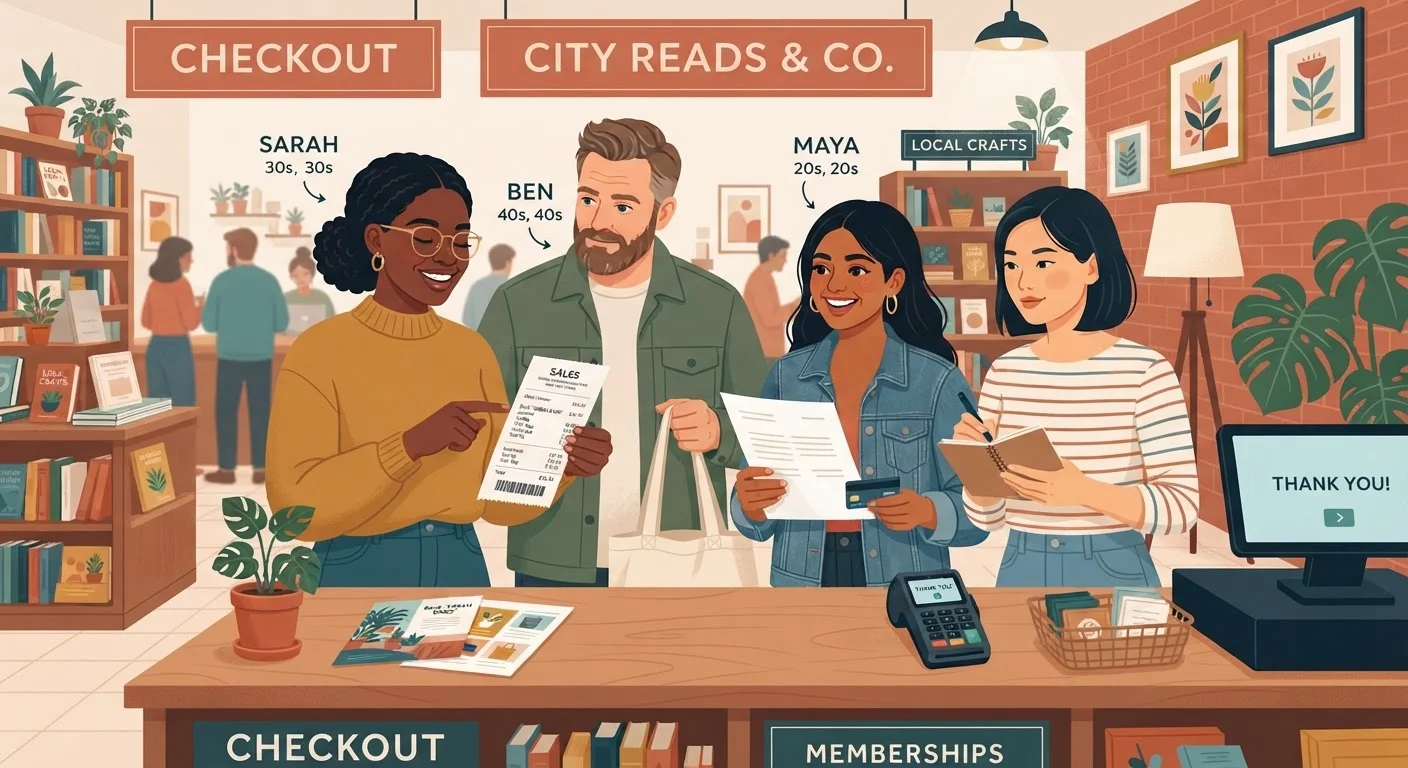
Photo: InDepthReads.com | Streamlining Learning For All editorial
The Federal Protections Most Shoppers Overlook
Most Americans have more legal protection than they realize — the gap is awareness, not legislation. Several federal rules apply directly to everyday retail transactions, and knowing them by name puts you in a much stronger position when something goes wrong.
The FTC Cooling-Off Rule gives consumers three business days to cancel certain purchases of $25 or more made at locations other than a retailer's permanent place of business — think door-to-door sales or temporary kiosks. The seller must provide written notice of this right at the time of sale. If they don't, the cancellation window stays open longer.
The Mail, Internet, or Telephone Order Rule (also an FTC rule) requires sellers to ship orders within the timeframe they advertise — or within 30 days if no timeframe is stated. If they can't, they must notify you and offer a full refund. This applies whether you ordered online or by phone.
The Fair Credit Billing Act (FCBA) gives credit card holders the right to dispute billing errors and — in many cases — unauthorized charges. It also provides a mechanism to withhold payment on disputed items while the issuer investigates. This is separate from, but related to, the chargeback process.
For a broader look at how these protections apply after a specific purchase goes wrong, see Your Consumer Rights After a Purchase Goes Wrong.
Chargebacks, Warranties, and What Stores Must Disclose
Three more pillars of consumer protection deserve specific attention because they're widely misunderstood.
Cooling-Off Rule
A federal FTC regulation giving consumers three business days to cancel certain sales of $25 or more made away from a seller's permanent business location, such as at your home or a temporary event venue.
Chargeback
A forced reversal of a card transaction initiated by the cardholder's bank. It is a consumer protection mechanism used when goods are not received, are significantly not as described, or when unauthorized charges appear.
Full Warranty
Under the Magnuson-Moss Warranty Act, a full warranty obligates the seller to repair or replace a defective product within a reasonable time and at no cost to the consumer, without requiring burdensome conditions.
Limited Warranty
A written warranty that does not meet all the standards for a full warranty. It may restrict coverage duration, require the consumer to pay certain costs, or limit which defects are covered — all terms must be disclosed in writing before purchase.
Fair Credit Billing Act (FCBA)
A federal law that protects credit card users from billing errors and unauthorized charges, and outlines the procedure both consumers and issuers must follow during a dispute.
Electronic Fund Transfer Act (EFTA)
A federal law governing electronic transactions, including debit card purchases. It limits consumer liability for unauthorized transactions if reported within specified timeframes.
Chargebacks are dispute mechanisms built into credit and debit card networks. When you receive a defective item, a non-delivery, or an unauthorized charge, you can ask your card issuer to reverse the transaction. Credit card chargebacks carry stronger protections under the FCBA; debit card disputes are governed by the Electronic Fund Transfer Act (EFTA) but involve tighter timelines — typically 60 days from the statement date. Always try to resolve disputes with the seller first; card networks expect it.
The Magnuson-Moss Warranty Act governs written warranties on consumer products sold in the U.S. It does not require sellers to offer a warranty, but if they do, the warranty must be available before you buy and must be labeled either "full" or "limited." A full warranty obligates the seller to repair or replace a defective product within a reasonable time at no charge. A limited warranty may impose conditions — read it before purchase, not after.
Return policy disclosure is governed at the state level in many cases. Several states require retailers to post their return policies prominently; if no policy is posted, the state's default rules may apply and can actually be more generous than the retailer's own terms. Regardless of state, retailers that advertise a return policy online must honor what's posted. See Decoding a Return Policy Before You Ever Reach the Register for a practical walkthrough of what to look for before you commit.
It's also worth understanding what stores are legally required to tell you versus what they can legally withhold. Return Policies Decoded: What Retailers Are Actually Required to Tell You covers that distinction in plain language.
Where to Turn When Rights Are Violated
Knowing your rights matters less if you don't know how to enforce them. The U.S. consumer protection landscape involves multiple agencies with different jurisdictions.
Document Everything Before You File a Complaint
The Federal Trade Commission (FTC) handles deceptive business practices, false advertising, and violations of the rules described above. File complaints at ReportFraud.ftc.gov. The FTC typically does not resolve individual disputes, but complaints contribute to enforcement actions.
The Consumer Financial Protection Bureau (CFPB) handles complaints about financial products and services — including credit card billing disputes that your issuer won't resolve. Complaints filed through the CFPB's portal are forwarded to the company, which is required to respond.
State attorneys general often have broader authority to pursue individual consumer complaints, particularly for in-state businesses. Many states also have dedicated consumer protection offices that can mediate disputes directly.
For a full breakdown of which agency handles which type of complaint, Consumer Protection Agencies in the U.S.: Who Handles What is the logical next read. And if you've encountered one of the common misconceptions about shopper rights, Assumptions That Hurt Shoppers When Returns Go Wrong addresses the most costly ones directly.
This article provides general consumer education and is not legal advice. Laws vary by state and circumstance; consult a qualified attorney or your state consumer protection office for guidance specific to your situation.
The content on this site is for informational purposes only and is not a substitute for professional advice. Always consult a qualified professional for guidance specific to your situation.