
Manufacturer's Suggested Retail Price and What It Actually Tells You

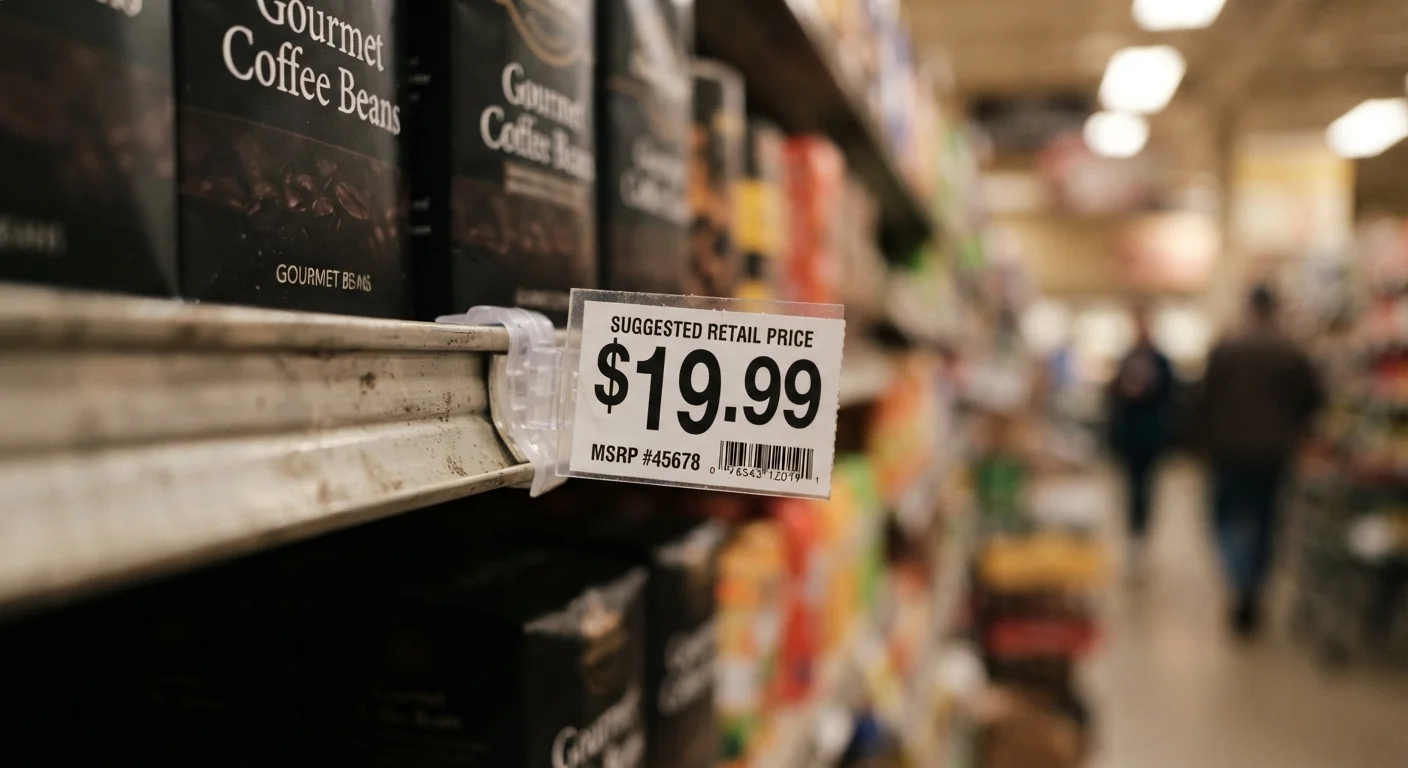
Photo: InDepthReads.com | Streamlining Learning For All editorial
Key Takeaways
- MSRP is a recommendation from the manufacturer, not a mandatory or legally binding price.
- Retailers can — and regularly do — sell products above or below MSRP.
- MSRP is more reliable as a signal of a product's market tier than as a predictor of what you'll actually pay.
- Using MSRP as a reference point helps you evaluate whether a sale or markup is genuinely significant.
- High-demand products often sell above MSRP; overstocked or older items often sell well below it.
How MSRP Is Determined
Manufacturers set MSRP as part of their product launch strategy. The number reflects their estimate of what a product should cost consumers after accounting for production costs, wholesale margins, retailer markups, and competitive benchmarking. It's a business calculation, not a neutral market measurement.
Because each manufacturer sets its own MSRP independently, the figure can be inflated as a positioning tool, set conservatively to encourage widespread adoption, or aligned closely with actual market rates. There is no independent body auditing whether an MSRP is realistic. This matters: an MSRP that seems high relative to what stores actually charge may have been set that way intentionally to make discounts appear larger.
Inflated reference prices are a documented retail tactic — and MSRP can serve as one of those anchors when it's set well above realistic selling prices.
100%
Of new car dealers required to display MSRP
Under the U.S. Automobile Information Disclosure Act (Monroney Act), all new passenger vehicles must display the manufacturer's sticker price — though the final negotiated sale price can differ.
~20–50%
Common gap between MSRP and street price in electronics
Industry pricing analyses have consistently found consumer electronics selling at significant discounts to MSRP within 6–12 months of launch as competition and inventory increase.
Varies widely
Retailer markup or discount from MSRP
No universal standard governs how far above or below MSRP retailers may price goods; actual deviation from MSRP differs by product category, retailer, and market conditions.
What MSRP Actually Signals
Despite its limitations, MSRP does carry useful information. It signals the manufacturer's intended market tier for a product. A high MSRP generally indicates the product is positioned as premium; a lower one signals mass-market or entry-level placement. This positioning tells you something about the product's target audience and feature set, even before you compare actual prices.
MSRP also provides a useful comparison baseline across competing products. If two similar items have MSRPs of $80 and $180, that gap reflects real differences in how each manufacturer has positioned those products — in materials, features, or brand strategy — even if street prices end up closer together.
Where MSRP becomes unreliable is as a direct predictor of what you'll pay. Actual transaction prices vary significantly by retailer, region, season, and inventory levels. Treating MSRP as an actual price expectation rather than a reference point is one of the most common consumer missteps.
“The sticker price is where the conversation starts, not where it ends. Consumers who understand that MSRP is a manufacturer's opening position — not a fixed market truth — are far better equipped to evaluate whether a price is fair.”
— Consumer pricing researcher, Academic specialist in retail economics and consumer behavior
MSRP in the Real World: Cars, Electronics, and Everyday Goods
MSRP plays out differently depending on the product category. In the automotive market, MSRP (commonly called the sticker price) is federally mandated to appear on new vehicle windows. It represents the base vehicle price plus options and destination charges. Buyers frequently negotiate below sticker on slow-selling models, though high-demand vehicles often command prices at or above MSRP.
In consumer electronics, MSRP tends to be more stable at launch but erodes quickly as products age or competitors enter the market. A device priced at its MSRP during launch week may be available for substantially less within months — without any formal sale event.
For everyday retail goods — clothing, housewares, sporting goods — MSRP is often used as a "compare at" reference price on sale tags. Understanding this dynamic is crucial: when a tag shows a steep discount from MSRP, that doesn't automatically confirm the product was ever widely sold at that price. The fine print on sale tags often reveals more than the headline discount does.
Using MSRP as a Smarter Shopping Tool
The most practical use of MSRP is as one data point among several, not as a shopping verdict on its own. When you see a price, comparing it against MSRP tells you where a retailer has positioned that item — but it doesn't confirm you're getting a deal or being overcharged.
Cross-referencing MSRP with actual transaction prices from multiple retailers gives you a clearer picture of market reality. If most sellers are pricing a product at 70% of MSRP consistently, the MSRP was likely set high relative to actual demand. If prices cluster near or above MSRP, that suggests strong demand or limited supply.
For a fuller picture of how MSRP fits into broader pricing strategy, see how it relates to retail pricing tactics and how numbers like unit prices provide a grounding reality check that MSRP simply can't.
Check Transaction Prices, Not Just MSRP
Frequently Asked Questions
The content on this site is for informational purposes only and is not a substitute for professional advice. Always consult a qualified professional for guidance specific to your situation.