
Accessorizing Without Overthinking It

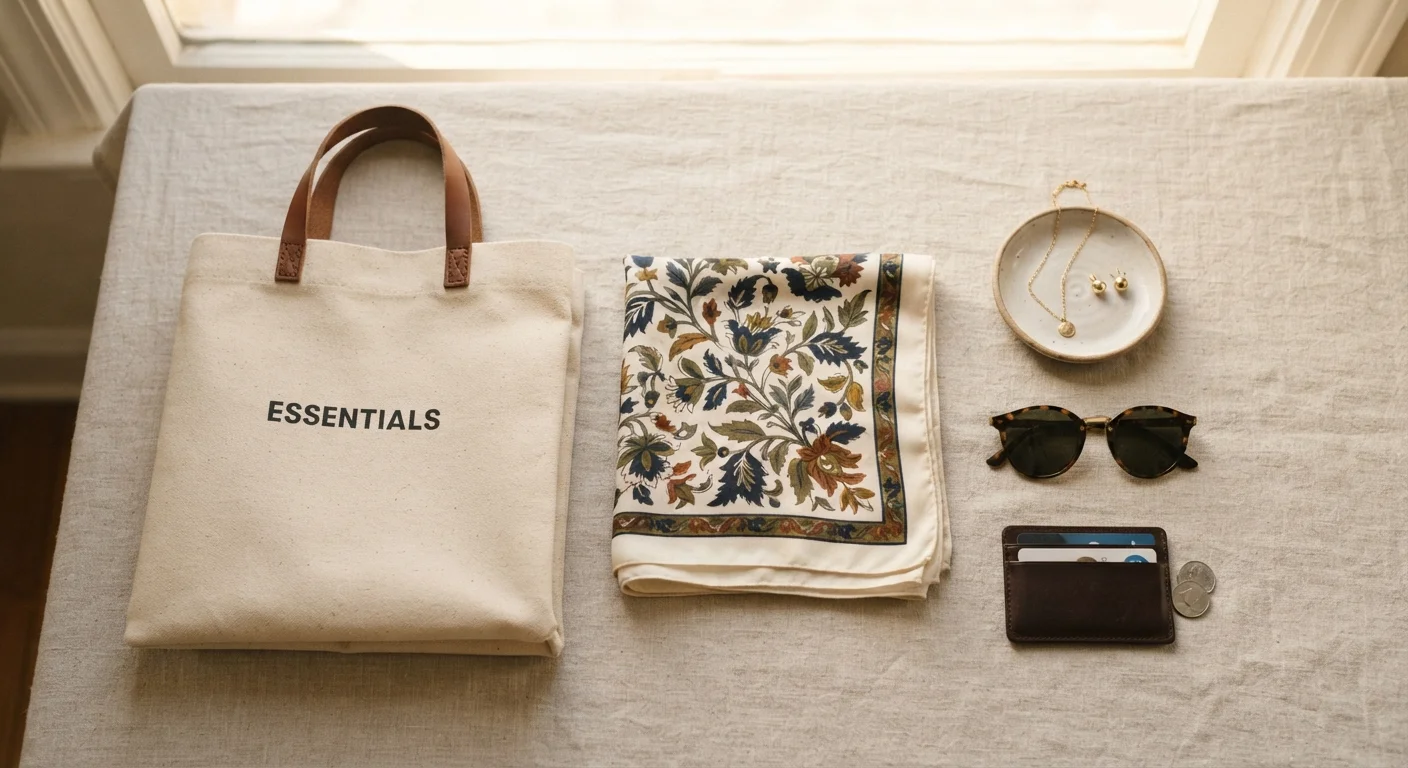
Photo: InDepthReads.com | Streamlining Learning For All editorial
Key Takeaways
- Start with one focal accessory per outfit to avoid visual clutter and decision fatigue.
- Accessories that match your actual lifestyle get worn; aspirational picks often gather dust.
- Proportion and color harmony matter more than following rigid style rules.
- A small rotation of versatile pieces can work across many different outfits.
- Accessorizing is a skill that builds with practice — there's no single "right" way.
Why Accessorizing Feels Harder Than It Should
Accessories are supposed to be the fun part — the finishing touch that makes an outfit feel personal. But for many people, they become the most stressful decision of the morning. Too many options, unclear rules, and the nagging sense that it either all has to "match" or somehow express deep personal identity can turn a simple choice into a spiral.
The good news: accessorizing well doesn't require a trained eye or a large budget. It requires a few grounded principles and the willingness to experiment. If your outfits sometimes feel like something's missing — or like too much is happening at once — this guide on what makes outfits feel off is a helpful complement to the practices below.
1 in 3
Americans feel overwhelmed when getting dressed
According to a survey by clothing rental platform Rent the Runway, decision fatigue around outfits is a widespread daily challenge.
~20%
Of wardrobe items are worn regularly
Fashion industry research commonly suggests most people regularly wear only a small fraction of what they own — a pattern that applies equally to accessories.
Practices That Actually Work
These aren't rigid rules — they're tested approaches that give you a starting framework and room to make it your own. The goal is to reduce friction, not add more of it.
Choose one focal point per outfit and build around it.
Match accessories to your real daily routine, not an idealized one.
Use scale and proportion deliberately.
Stick to a limited color story across your accessories.
Rotate a small core set rather than accumulating endlessly.
For a broader look at how accessories fit within your overall wardrobe strategy, the guide on statement pieces vs. wardrobe basics walks through how to think about the balance between versatile staples and eye-catching choices.
When In Doubt, Edit Down
Start Small and Build from There
Putting these ideas into practice doesn't have to be a project. A few focused adjustments today can shift how getting dressed feels — and they don't require buying anything new.
A Note on Budget and Accessories
Accessorizing is genuinely a skill, and like most skills, it sharpens with low-stakes practice. The Everyday Style Playbook offers a broader framework for building outfits that hold up through real life — not just the moments when everything goes right.
“Style is a way to say who you are without having to speak.”
— Rachel Zoe, Fashion designer and stylist
The content on this site is for informational purposes only and is not a substitute for professional advice. Always consult a qualified professional for guidance specific to your situation.