
Why Your Outfits Don't Feel Pulled Together — and How to Fix It

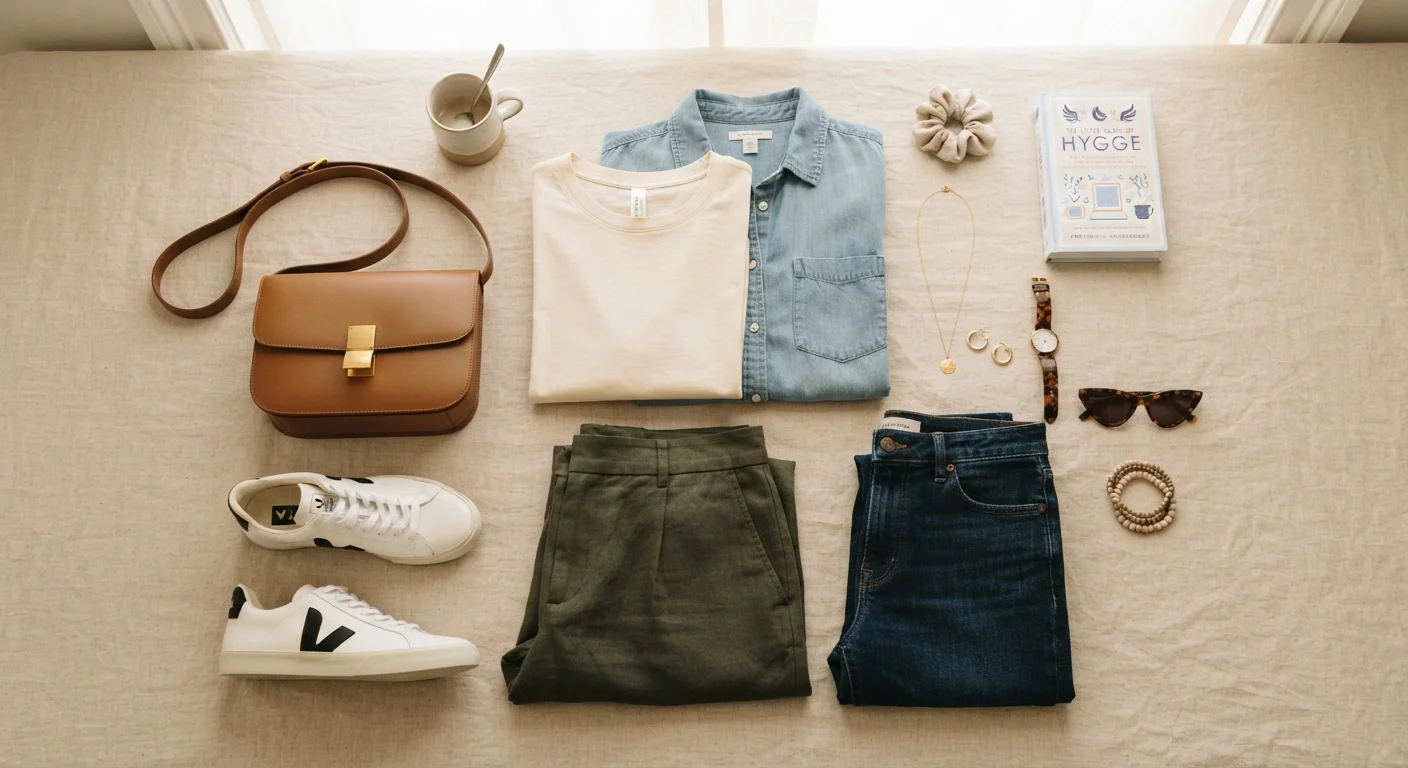
Photo: InDepthReads.com | Streamlining Learning For All editorial
Key Takeaways
- Fit matters more than style or price — ill-fitting clothes undermine even well-chosen outfits.
- Proportion and color balance are two of the easiest things to adjust for a more polished look.
- Accessories and finishing touches often separate a pulled-together look from an unfinished one.
- Most styling problems have simple, affordable fixes that don't require buying anything new.
The Real Reason Your Outfits Feel 'Off'
Most of us have stood in front of the mirror knowing something about an outfit isn't working — but struggled to name exactly what. It's rarely one dramatic problem. More often, it's a handful of small, fixable habits stacking up quietly. The good news: once you can identify the patterns, it's much easier to course-correct without overhauling your entire wardrobe.
Styling isn't about rules handed down from runways. It's about understanding how different elements — fit, proportion, color, and detail — interact on your actual body in your actual life. The missteps below are common precisely because they're easy to miss. Recognizing them is the first step toward getting dressed feeling like less of a guessing game.
If you're also looking to take stock of what you already own, the wardrobe audit guide is a practical place to start.
Wearing clothes that don't fit your current body well.
Ignoring proportion between top and bottom halves.
Wearing too many competing focal points at once.
Skipping the finishing details — wrinkles, pills, and worn-out hems.
Defaulting to the same color combinations out of habit.
Quick Wins That Make a Visible Difference
Once you've identified which missteps tend to trip you up, a few targeted shifts can noticeably change how your outfits land — without spending much or starting over.
~70%
Clothes in the average closet rarely worn
Research cited by wardrobe consultants and fashion researchers consistently suggests most people regularly wear only about 20–30% of what they own.
1 alteration
Fit fix that changes everything
Tailoring experts note that even a single hem or seam adjustment can transform how an off-the-rack piece looks and feels on the body.
Tuck, roll, or layer intentionally. A half-tuck on a loose shirt, or rolling up sleeves once, adds visual structure where there wasn't any. These micro-adjustments signal that an outfit was put together on purpose, not just grabbed from the floor.
Check your color load. If everything you're wearing is a different color or print, pull it back to two and let one piece do the talking. Conversely, if head-to-toe neutrals feel flat, one contrasting piece — even just a bag or shoes — adds dimension. For more on this, pattern-mixing principles can help you navigate prints with more confidence.
Rethink your accessories. Accessories don't need to be expensive or elaborate to work. They need to be intentional. A single well-placed piece often does more than several competing ones. See accessorizing without overthinking it for a grounded approach.
Don't Over-Accessorize to Compensate
Finally, if you find yourself relying heavily on statement pieces that never quite feel balanced, it may be worth reconsidering your wardrobe mix. The balance between statement pieces and basics is a shift many people find genuinely transformative.
The content on this site is for informational purposes only and is not a substitute for professional advice. Always consult a qualified professional for guidance specific to your situation.