
Clothing Fabric Guide: What Different Materials Mean for Comfort and Care

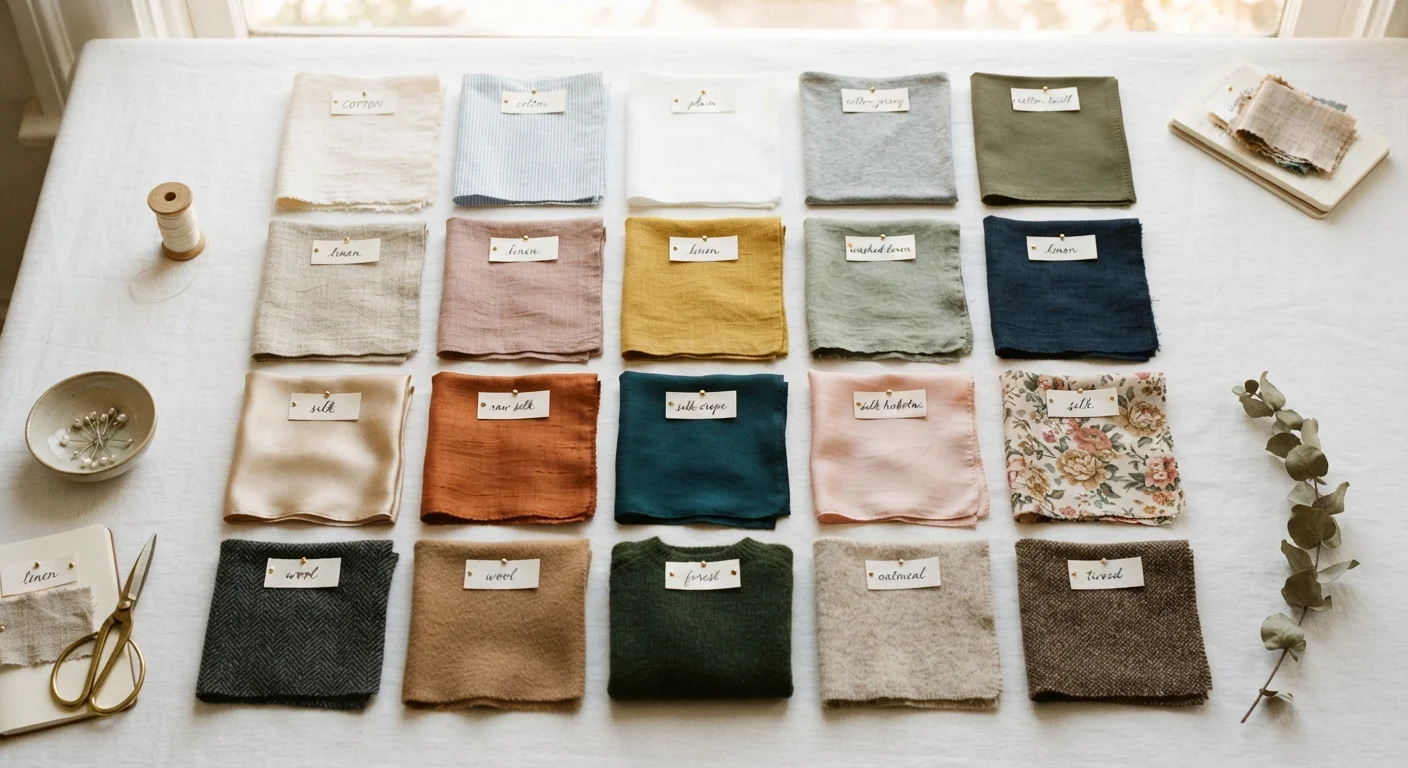
Photo: InDepthReads.com | Streamlining Learning For All editorial
Why Fabric Actually Matters
Flip any garment's care tag and you'll find a fiber content list — but most of us gloss right over it. That's a missed opportunity. The fabric a piece of clothing is made from shapes nearly everything about the experience: how it breathes on a hot day, whether it wrinkles in the car, how long it holds its shape, and what it takes to keep it looking good.
This guide breaks down the most common clothing materials in plain language — no textile degree required. Whether you're building your wardrobe from scratch or just trying to decode a tag before tossing something in the wash, this reference has you covered.
| Most common everyday fabric | Cotton |
| Best natural fiber for hot weather | Linen |
| Most durable synthetic fiber | Nylon |
| Fabric most prone to shrinking | Wool and rayon (especially in heat) |
| Best fabric for odor resistance | Merino wool |
| Most wrinkle-prone natural fiber | Linen |
Natural Fibers: The Classics
Natural fibers come from plants or animals and have been woven into clothing for thousands of years. They remain popular for good reason.
Cotton
Soft, breathable, and widely available, cotton is the workhorse of everyday wardrobes. It absorbs moisture well, making it comfortable in warm weather, but it can take a while to dry and may shrink in a hot wash. Most cotton garments are machine-washable, but check the tag — structured cotton pieces like blazers often need more care.
Linen
Made from flax plant fibers, linen is prized for its breezy, cool feel in summer. It's stronger than cotton and gets softer with each wash. The trade-off: it wrinkles easily and visibly. Many people embrace the relaxed look; others find it frustrating for more polished occasions.
Wool
Wool is a natural insulator — warm in winter, and surprisingly temperature-regulating year-round. It resists odor and can be worn several times before washing. The catch is care: wool typically needs cold water and gentle handling, or it risks shrinking and felting. Merino wool is a finer, less scratchy variety worth knowing.
Silk
Lightweight, smooth, and naturally temperature-regulating, silk has a luxurious feel and a subtle sheen. It's also delicate — most silk pieces call for hand washing or dry cleaning, and they don't love direct sunlight or rough handling. Silk blends (silk mixed with polyester, for example) can offer a similar look with less fuss.
Natural fiber
A textile fiber derived from plants (like cotton or linen) or animals (like wool or silk). Natural fibers are generally breathable and biodegradable, though care requirements vary widely.
Synthetic fiber
A man-made fiber produced through chemical processes, such as polyester or nylon. Synthetics are often durable, wrinkle-resistant, and quick-drying, but may be less breathable than natural alternatives.
Semi-synthetic fiber
A fiber made from natural raw materials (like wood pulp) that are heavily processed into a new form. Rayon and viscose are common examples — they feel more like natural fibers but behave differently when wet.
Fiber blend
A fabric made from two or more fiber types combined to balance specific qualities, such as comfort, durability, or ease of care. The fiber percentages on a label indicate which qualities are most dominant.
Merino wool
A finer, softer variety of wool sourced from Merino sheep. It is less scratchy than standard wool and is prized for its temperature-regulating properties and odor resistance.
Viscose
Another name for rayon, a semi-synthetic fiber made from processed cellulose. Viscose drapes well and feels soft, but it can shrink or distort when washed with too much heat or agitation.
Synthetic and Blended Fabrics: Modern Workhorses
Synthetic fabrics are engineered from chemical processes, typically petroleum-based. They've evolved significantly and fill real gaps that natural fibers can't always cover.
Polyester
Durable, wrinkle-resistant, and quick-drying, polyester is found in everything from athletic wear to office blouses. It holds color well and is generally easy to care for. The downside: it traps body heat and can feel less breathable than natural fibers, and it may hold onto odors over time.
Nylon
Strong and abrasion-resistant, nylon is a go-to for activewear, hosiery, and outerwear linings. It dries quickly and is lightweight, but like polyester, it isn't the most breathable option for hot days.
Rayon and Viscose
Often called a semi-synthetic, rayon (also labeled viscose) is made from processed wood pulp. It drapes beautifully and feels soft against the skin — closer to natural fibers than polyester. However, it tends to shrink and lose shape when wet, so most pieces need gentle washing or dry cleaning.
Blends
A cotton-polyester blend, for instance, gives you cotton's breathability with polyester's wrinkle resistance. Blends are everywhere in everyday clothing and are often chosen to balance comfort, durability, and care ease. Reading the percentages on the label gives you a quick sense of which qualities will dominate.
Fabric choice pairs closely with how a garment fits and flatters — for more on that, see why fit matters more than size.
A Note on Fabric and Sustainability
Fabric Care at a Glance
The biggest fabric mistakes happen in the laundry room. A few general rules go a long way:
- Cold water is gentler on most fabrics and helps prevent shrinkage and color fading.
- Low heat or air drying protects delicate and synthetic fibers alike.
- Check the tag first — care symbols are standardized in the US and override general rules.
- Hand wash or dry clean only labels are worth taking seriously, especially for silk, structured wool, and rayon.
If you're shopping secondhand or at different price points, fabric content is one of the most reliable quality signals you'll find — it doesn't change based on how something is marketed. For a balanced look at how fabric quality plays into different shopping approaches, our piece on secondhand vs. fast fashion trade-offs explores that in more depth.
~35%
Global share of clothing made from cotton
Cotton consistently ranks as one of the most widely used textile fibers worldwide, according to industry fiber production data.
~54%
Share of global fiber production from synthetics
Polyester alone accounts for the largest portion of global textile fiber output, reflecting its widespread use in apparel manufacturing.
The content on this site is for informational purposes only and is not a substitute for professional advice. Always consult a qualified professional for guidance specific to your situation.