
The Role of Fit: Why Clothing Size Is Less Important Than You Think

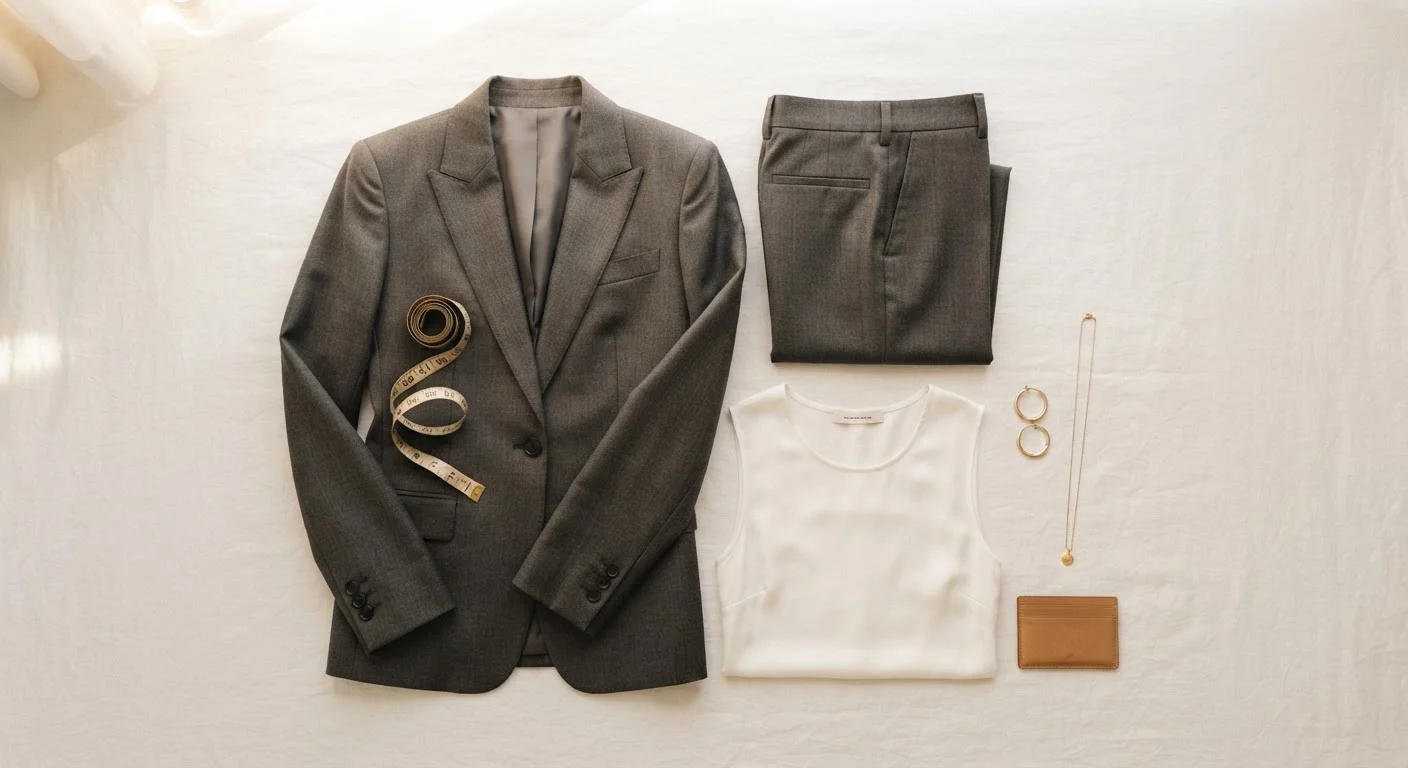
Photo: InDepthReads.com | Streamlining Learning For All editorial
Key Takeaways
- Clothing size numbers vary widely between brands and have no universal standard.
- Well-fitting clothes make any body look more polished and feel more comfortable.
- Shoulders are the single most important fit point on shirts, jackets, and blazers.
- Basic tailoring alterations are often affordable and can transform an off-the-rack piece.
- Letting go of a target size frees you to choose clothes that actually work for your body.
Why the Size Tag Is Basically Meaningless
Flip to the tag inside almost any garment and you'll see a number — but that number tells you surprisingly little. Clothing sizing in the United States has no regulatory standard, which means every brand defines its own measurements for each size. A size medium at one retailer might measure several inches wider in the chest than a size medium somewhere else. This inconsistency is well-documented and has only grown more pronounced as brands adjust their sizing over time.
The practical result? Most people wear a range of sizes depending on the brand, the cut, and the garment type. Trying to stay loyal to one number often leads to buying things that don't actually fit — and that's where the real style problem begins. Understanding this from the outset makes shopping far less frustrating and much more productive. For more on decoding what retail tags actually tell you, see how to read a sale tag.
What 'Good Fit' Actually Looks Like
Good fit isn't about clothes being tight or showing off your shape — it's about fabric falling where it's supposed to, without tension or excess. Here's what to look for across different garment areas:
- Shoulders: On shirts, blazers, and jackets, the seam should land right at the edge of your shoulder bone. This is the single most important fit point on any structured top, and it's the hardest to alter later.
- Chest and torso: There should be enough room to move comfortably without buttons pulling or fabric creating diagonal stress lines. Conversely, there shouldn't be so much extra fabric that the garment looks like a bag.
- Waist: Trousers and skirts should close without straining at the waistband. A slight ease (a little extra room) is comfortable; significant pulling indicates the wrong size.
- Length: Sleeves, hems, and inseams are among the easiest things to adjust. Don't let length alone drive your size decision.
Try Before You Decide on Size
If you're exploring how fit connects to the overall impression of your outfits, this guide on outfits that feel off breaks down the most common styling missteps and how to fix them.
The Case for Basic Alterations
One of the most underused tools in everyday style is the local tailor. Off-the-rack clothing is made to fit a wide range of bodies, which means it rarely fits any single person perfectly. That's not a flaw — it's just how mass production works.
No standard
US clothing size regulation
Unlike many other countries, the United States has no mandatory federal standard governing clothing sizes, meaning brands set their own measurements independently.
3–4 sizes
Typical size range one person wears across brands
Industry observers and fit experts commonly note that most shoppers wear a spread of several sizes depending on the brand, cut, and garment type.
Common alterations like hemming trousers, taking in a waist seam, or shortening sleeves are relatively quick and affordable at most local tailors or dry cleaners that offer alterations. These small adjustments can make a significant difference in how finished and intentional a garment looks. The key is knowing which issues are worth fixing and which indicate a garment that simply isn't the right shape for your body — no amount of tailoring will fix a shoulder seam that's set too wide.
If you're building a wardrobe where each piece needs to work hard, investing a little in alterations makes even more sense. The capsule wardrobe approach pairs well with this mindset — fewer, better-fitting pieces beat a closet full of clothes that don't quite work.
Fit and Body Shape: Separating Fact From Outdated Rules
Fit conversations often get tangled up with older advice about dressing for your body shape — the idea that certain silhouettes are flattering or unflattering depending on your proportions. Some of that guidance has useful practical logic, but much of it is rooted in narrow ideals that don't serve most people.
The more grounded approach: prioritize how clothes feel and move on your actual body rather than chasing a silhouette that's supposed to look a certain way. Clothes that fit well tend to look good naturally, regardless of current trends or prescriptive rules. This piece on body shape advice does a good job of separating what's genuinely useful from what's outdated.
It's also worth noting that comfort plays a functional role in how you carry yourself. Clothes that restrict movement or feel uncomfortable tend to affect posture and confidence in subtle ways — another reason fit matters beyond pure aesthetics.
Frequently Asked Questions
The content on this site is for informational purposes only and is not a substitute for professional advice. Always consult a qualified professional for guidance specific to your situation.