
Building Your Everyday Wardrobe From Scratch

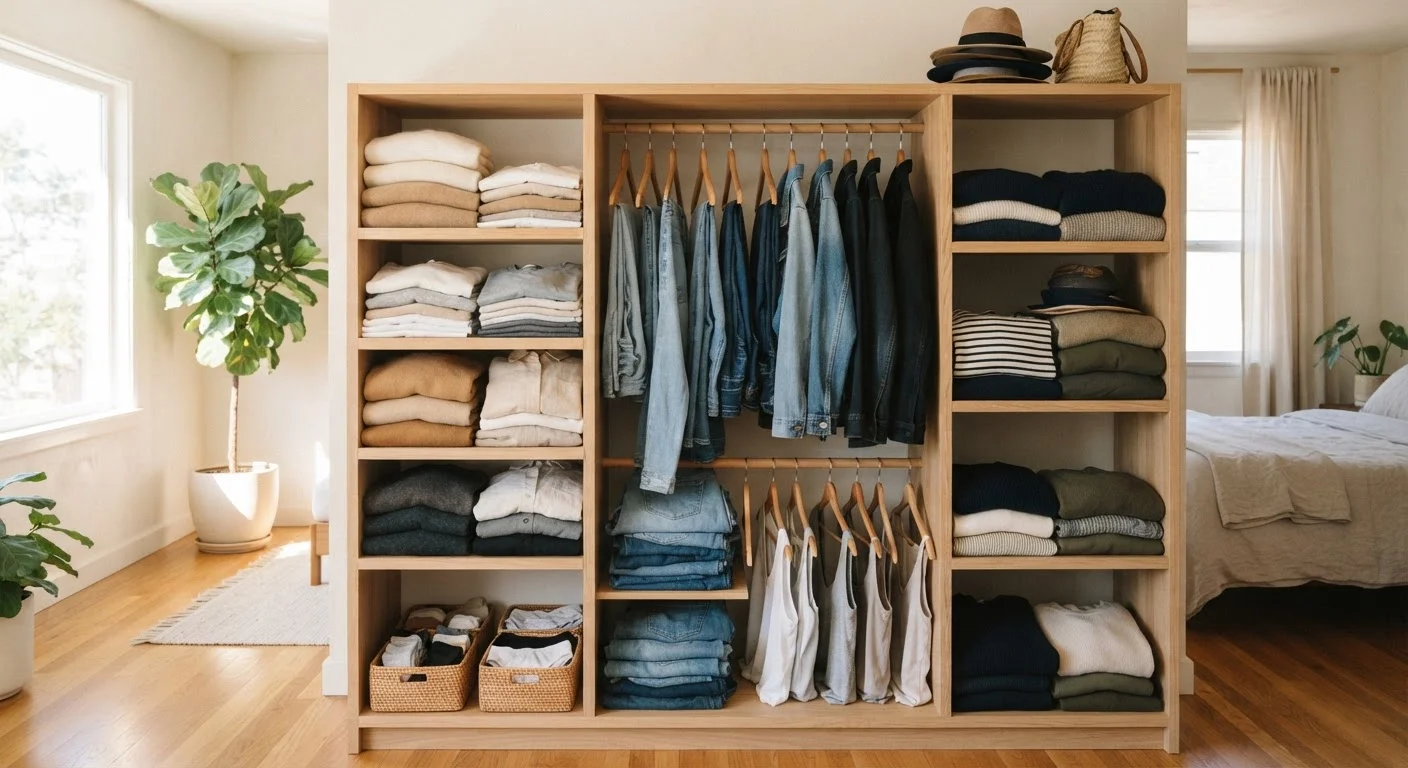
Photo: InDepthReads.com | Streamlining Learning For All editorial
Key Takeaways
- A practical everyday wardrobe prioritizes versatility and fit over quantity or trends.
- Understanding your actual daily routine is the most important first step.
- Neutral-toned basics form the foundation that makes everything else easier to mix.
- Budget-conscious building works best when done gradually and intentionally.
- Personal touches like accessories and a few statement pieces keep your style feeling like yours.
Why Starting From Scratch Is Actually a Advantage
Building a wardrobe from the ground up can feel daunting, but here's the upside: you get to skip the common trap of accumulating clothes that don't actually serve your life. Many people inherit their wardrobes haphazardly — impulse buys, gifts, pieces held on to out of guilt — and end up with a full closet and nothing to wear. Starting fresh means you get to be deliberate from day one.
This guide isn't about chasing trends or copying anyone else's aesthetic. It's about building a collection of clothes that fits your real life, feels good on your body, and holds together as a cohesive whole. Once you have that foundation, everything from getting dressed in the morning to building outfits that actually work becomes noticeably easier.
Capsule wardrobe
A small, curated set of versatile clothing pieces — usually 30–40 items — chosen specifically to work well together, reducing the need for a large closet.
Cost-per-wear
A way of thinking about clothing value: divide what you paid by how many times you wear it. A pricier item worn constantly can cost less per use than a cheap one rarely touched.
Wardrobe basics
Simple, versatile clothing items — often in neutral colors and classic silhouettes — that serve as the foundation of a functional closet because they mix easily with other pieces.
Statement piece
A clothing item or accessory that stands out due to its color, pattern, or design, used intentionally to add personality or visual interest to an otherwise simple outfit.
Smart-casual
A dress code that sits between formal and fully relaxed — typically neat, put-together clothing that doesn't require a suit or tie but is more polished than everyday loungewear.
Know Your Life Before You Shop
The most common wardrobe-building mistake is shopping before thinking. Before you buy a single piece, spend a few minutes mapping out your actual week. How many days do you work, and what does your workplace expect in terms of dress? How much time do you spend being active, running errands, or socializing casually? Are weekends mostly relaxed or do you often have events to attend?
Your wardrobe should reflect the life you live, not the life you imagine. If you work from home five days a week, a closet built around office wear won't serve you — no matter how polished it looks. If you're often outdoors or on the move, comfort and durability matter more than sleekness.
It also helps to think about fit and fabric preferences honestly. Some people run warm; others need layers. Understanding what actually feels good on your body — not just what looks appealing on a hanger — saves time and money. For a deeper look at how fabric choices affect comfort day to day, check out this guide to clothing fabrics.
Audit Before You Add
The Core Pieces Every Everyday Wardrobe Needs
A functional everyday wardrobe typically rests on a handful of reliable categories rather than specific items. Think of these as slots to fill based on your own style and needs:
- Well-fitting bottoms: A pair or two of pants or jeans that fit well at the waist and through the leg. Fit matters more than brand or price.
- Layering tops: Simple, solid-colored tops in neutral shades — think white, cream, grey, or navy — that mix with nearly everything. Three to five of these go a long way.
- A versatile outer layer: A jacket, cardigan, or lightweight coat that works across multiple contexts. This is often worth investing a little more in because it gets heavy use.
- Comfortable everyday shoes: At minimum, one pair that's genuinely comfortable for daily wear and one that can handle slightly more polished situations.
- A few transitional pieces: Items that move easily between casual and smart-casual settings. If you're unsure where the line falls, this breakdown of casual vs. smart-casual is a good reference.
Neutral colors deserve special attention here — they make mixing and matching effortless. Getting the most from neutrals is a skill that pays off every time you open your closet.
Building Smart on a Budget
Building a wardrobe doesn't require spending a lot at once. In fact, slow and intentional is the more sustainable approach — both financially and practically. A useful frame is to think in terms of cost-per-wear: a well-made, frequently worn top that lasts three years is a stronger value than a cheaper piece worn twice and discarded.
A few principles that help:
- Start with gaps, not wants. Identify what you genuinely don't have before adding more. After a wardrobe audit, most people discover they're missing a few key items rather than needing to rebuild everything.
- Prioritize quality in high-frequency pieces. Everyday pants, a go-to jacket, and shoes worn weekly are worth spending more on. Trend-driven pieces and occasional-wear items don't need to be expensive.
- Add seasonally and gradually. Rather than building everything at once, let your wardrobe grow with your understanding of what you actually reach for. Seasonal wardrobe transitions are a natural opportunity to reassess and add thoughtfully.
Budgeting intentionally for clothing — even a modest monthly amount set aside — helps avoid the cycle of impulsive purchases that don't integrate well. General budgeting strategies covered in budgeting basics apply here just as well as anywhere else in your spending.
Avoid the 'Fill the Closet Fast' Trap
Making It Personal: Adding Character to Your Closet
Basics are the backbone, but personality is what makes a wardrobe actually enjoyable to wear. Once your foundational pieces are in place, this is the fun part: adding the elements that make your style feel distinctly yours.
Statement pieces — a bold-patterned shirt, a distinctive jacket, a pair of shoes with personality — don't need to be numerous to be impactful. One or two per season is often enough. The key is that they work with your existing basics rather than requiring a whole new outfit built around them. Balancing statement pieces and basics is worth thinking through before you add too many at once.
Accessories are another powerful and often underused tool. A well-chosen bag, a few simple jewelry pieces, or a scarf can shift the feel of a basic outfit considerably — without requiring a whole new garment. If accessorizing feels overwhelming, these grounded accessory principles can help simplify the decision-making.
Most importantly, resist the urge to build someone else's wardrobe. Style evolves, and your taste will sharpen with time. The goal right now is a functional, comfortable foundation that actually gets used — everything else follows from there.
Frequently Asked Questions
The content on this site is for informational purposes only and is not a substitute for professional advice. Always consult a qualified professional for guidance specific to your situation.