
Secondhand vs. Fast Fashion: Weighing the Trade-Offs for Everyday Shoppers

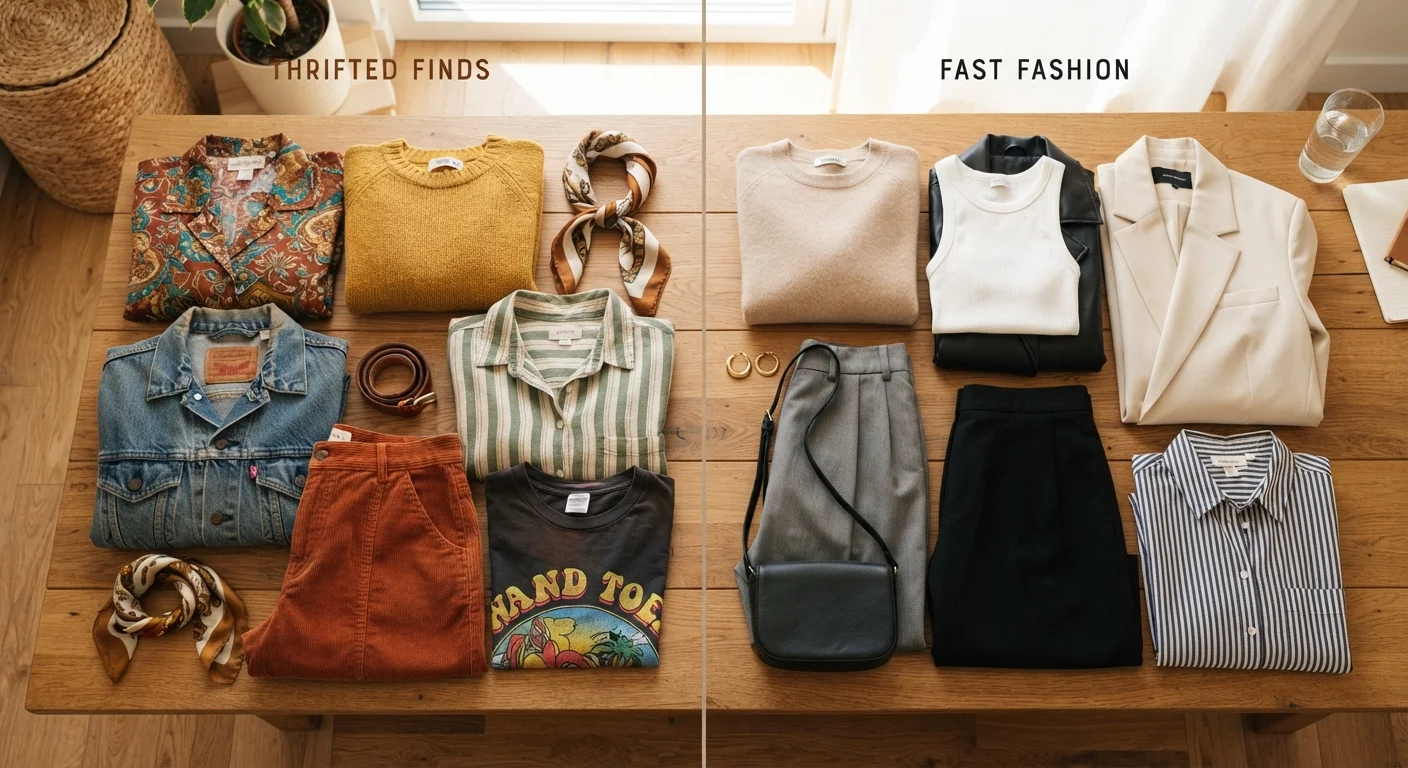
Photo: InDepthReads.com | Streamlining Learning For All editorial
Key Takeaways
- Secondhand shopping can lower clothing costs significantly but requires more time to find the right pieces.
- Fast fashion offers speed and convenience but often involves lower-quality construction and environmental concerns.
- Mixing both approaches is a practical strategy for most everyday shoppers on a budget.
- Understanding fabric quality helps you evaluate whether any garment — new or used — is worth the price.
- Your shopping values, lifestyle, and wardrobe goals should drive the decision, not trends alone.
Lower prices on individual pieces
Secondhand garments are typically priced well below retail, allowing shoppers to stretch a clothing budget further. Vintage or designer pieces in particular can represent strong value relative to their original cost.
Unique finds not available in stores
Thrift and resale shopping surfaces styles, silhouettes, and details that current retail simply doesn't stock. It's one of the more reliable ways to build a distinctive personal wardrobe.
Generally lower environmental footprint
Extending the life of existing garments reduces demand for new production, which is associated with significant water use, emissions, and textile waste across the apparel industry.
Opportunity to find quality construction
Older garments — particularly those from prior decades — are sometimes made with denser fabrics and more durable stitching than comparably priced new clothing today.
Time-intensive to find specific items
Browsing secondhand inventory, whether in-store or online, requires patience. Finding a specific style, size, and condition can take multiple shopping trips or searches.
Sizing and condition vary widely
Pre-owned garments may show wear, altered sizing, or damage not visible in photos. Fit inconsistency across decades and brands makes sizing unreliable compared to buying new.
Limited availability of basics in all sizes
High-demand basics like plain white tees or straight-leg jeans in extended sizes can be difficult to find secondhand in good condition. Inventory is inherently unpredictable.
Hygiene concerns for some shoppers
While most secondhand pieces can be laundered thoroughly at home, some shoppers are uncomfortable with used intimates, swimwear, or heavily worn items — a valid personal boundary.
What We're Actually Comparing
Secondhand fashion refers to pre-owned clothing purchased through thrift stores, consignment shops, online resale platforms, or community swap events. Fast fashion describes newly manufactured, trend-driven clothing produced at high volume and sold at low price points through mass-market retailers.
Both approaches have found loyal audiences among everyday American shoppers — and for good reason. Before deciding which deserves more space in your closet (and your budget), it helps to look at both honestly. If you're not sure what your wardrobe actually needs right now, a wardrobe audit is a smart place to start.
The Case for Secondhand Shopping
Thrifting and resale have grown well beyond novelty status. Resale platforms have seen sustained growth in recent years, reflecting a genuine shift in how many consumers approach getting dressed.
Lower prices on individual pieces
Secondhand garments are typically priced well below retail, allowing shoppers to stretch a clothing budget further. Vintage or designer pieces in particular can represent strong value relative to their original cost.
Unique finds not available in stores
Thrift and resale shopping surfaces styles, silhouettes, and details that current retail simply doesn't stock. It's one of the more reliable ways to build a distinctive personal wardrobe.
Generally lower environmental footprint
Extending the life of existing garments reduces demand for new production, which is associated with significant water use, emissions, and textile waste across the apparel industry.
Opportunity to find quality construction
Older garments — particularly those from prior decades — are sometimes made with denser fabrics and more durable stitching than comparably priced new clothing today.
Secondhand pieces often include older garments made with heavier fabrics and stronger stitching — qualities that can be harder to find at the same price point in new clothing. Understanding what to look for in construction and materials pays off here; our clothing fabric guide can help you evaluate any piece before you commit.
The Downsides of Shopping Secondhand
Secondhand shopping isn't without friction. For shoppers who need a specific item — say, a pair of black trousers in size 14 by next weekend — the resale hunt can be genuinely frustrating.
Time-intensive to find specific items
Browsing secondhand inventory, whether in-store or online, requires patience. Finding a specific style, size, and condition can take multiple shopping trips or searches.
Sizing and condition vary widely
Pre-owned garments may show wear, altered sizing, or damage not visible in photos. Fit inconsistency across decades and brands makes sizing unreliable compared to buying new.
Limited availability of basics in all sizes
High-demand basics like plain white tees or straight-leg jeans in extended sizes can be difficult to find secondhand in good condition. Inventory is inherently unpredictable.
Hygiene concerns for some shoppers
While most secondhand pieces can be laundered thoroughly at home, some shoppers are uncomfortable with used intimates, swimwear, or heavily worn items — a valid personal boundary.
Sizing inconsistency is a real challenge, especially across older garments that predate modern standardization. And while online resale platforms have broadened selection enormously, photos don't always capture wear, fading, or odor. Buying secondhand for core wardrobe basics you depend on every week involves some risk of disappointment.
Resale Platforms vs. In-Store Thrifting
Fast Fashion: Convenience With a Cost
Fast fashion's appeal is straightforward: you can find almost any style, size, and color in stock, at a predictable price, with reliable return policies. For shoppers building a foundational wardrobe on a tight budget, that accessibility is genuinely valuable.
~85%
Clothing ending up in landfills or incinerators
According to the U.S. Environmental Protection Agency, the vast majority of discarded textiles in the U.S. are landfilled or incinerated rather than recycled or composted.
2–3 wears
Average use before fast-fashion item is discarded
Industry researchers have cited estimates suggesting many trend-driven garments are worn only a handful of times before being donated or thrown away, contributing to high turnover rates.
That said, the trade-offs are significant. Many fast-fashion garments are constructed from lower-grade synthetics that pill, fade, or lose shape quickly — meaning the low sticker price may not reflect the true cost-per-wear. Thinking through when to invest in basics versus trend pieces can help you get more mileage from fast-fashion purchases when you do make them.
Environmental concerns are also well-documented. High-volume production, synthetic fibers, and short garment lifespans contribute to significant textile waste. These aren't reasons to shame any shopper — cost and access are real constraints — but they're worth factoring into a conscious approach.
Making the Two Work Together
Most everyday shoppers don't need to choose sides. A hybrid approach — secondhand for unique or high-value pieces, fast fashion for basics you need reliably and quickly — lets you maximize both savings and practicality.
A few practical principles help regardless of where you shop: buy what you'll actually wear, prioritize fit over price, and think about cost-per-wear rather than sticker price. When you transition your closet between seasons, revisiting what you already own (rather than defaulting to new purchases) also reduces waste and spending. Our guide to seasonal wardrobe transitions walks through that process in detail.
This kind of deliberate, values-driven shopping — whether you're buying new or used — is a close cousin to other big spend decisions. The new-versus-used logic applies beyond fashion too; it's the same thinking that drives choices like buying a new versus used car.
The content on this site is for informational purposes only and is not a substitute for professional advice. Always consult a qualified professional for guidance specific to your situation.