
Understanding Depreciation and What It Means for Your Vehicle's Value

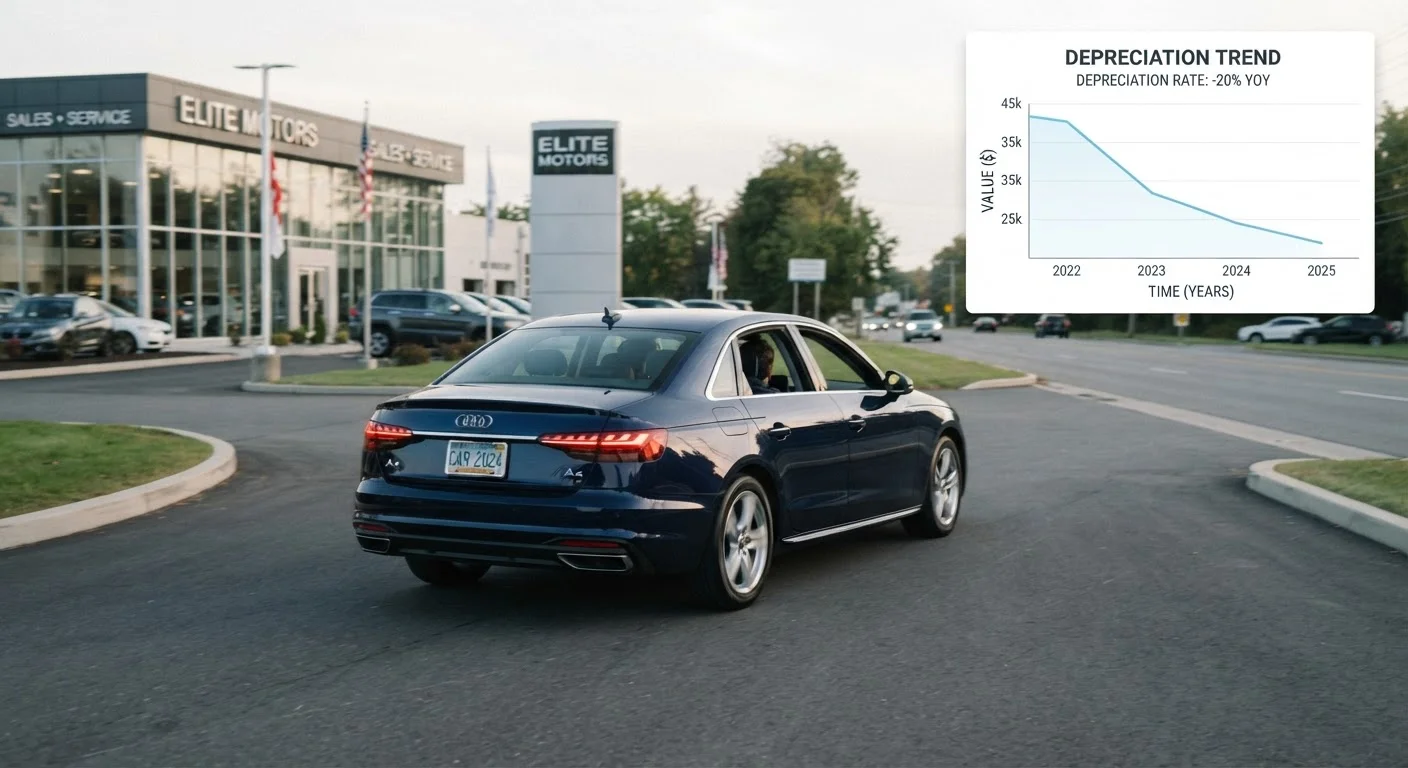
Photo: InDepthReads.com | Streamlining Learning For All editorial
Key Takeaways
- New vehicles typically lose a significant portion of their value within the first few years of ownership.
- Depreciation rate varies by vehicle type, mileage, condition, and market demand.
- Understanding depreciation helps you make more informed decisions about buying, selling, or leasing.
- Mileage and maintenance records directly influence how quickly a vehicle loses value.
- Some vehicle categories hold their value better than others over time.
Why Cars Lose Value Over Time
Unlike a house, which can appreciate in value, a vehicle is a depreciating asset — meaning it's almost always worth less tomorrow than it is today. This isn't a flaw or a failure; it's simply how physical assets that wear down over time behave in the marketplace.
Several forces drive depreciation simultaneously. Age alone reduces value because newer models with updated features and safety technology enter the market regularly. Each passing year, a vehicle also accumulates wear on its engine, transmission, tires, and interior. Consumer perception of older vehicles shifts as well — even a well-maintained car may be passed over simply because it lacks modern conveniences.
Depreciation is often cited as one of the largest hidden costs of car ownership, yet many drivers don't factor it into their budget when purchasing a vehicle.
~20%
Typical first-year value loss for new vehicles
Industry valuation guides generally estimate that new vehicles lose roughly 15–25% of their value within the first year, with variation by model and market conditions.
~50%
Value remaining after five years of ownership
Many vehicles retain approximately half their original purchase price by year five, though this figure varies significantly based on make, model, mileage, and upkeep.
Year 1
Steepest single-year depreciation drop
The first year of ownership consistently represents the largest single-year drop in vehicle value across most vehicle categories.
The Depreciation Curve: When Value Drops Fastest
Depreciation doesn't happen at a steady, predictable pace. The sharpest drop tends to occur in the earliest years of ownership — often within the first 12 months. After that initial steep decline, the rate of loss generally moderates, though it never stops entirely.
This pattern has a practical implication: a vehicle that's two or three years old may offer substantially more value per dollar than the same model new, because the original owner has absorbed the steepest portion of the depreciation curve. This is one of the central arguments in the comparison between buying new versus used.
By the time a vehicle is five to seven years old, annual depreciation has typically slowed considerably, though condition, mileage, and market demand continue to influence value year over year.
Timing a Used-Car Purchase Strategically
Key Factors That Influence Depreciation Rate
Not all vehicles age financially in the same way. Several specific factors shape how quickly a car loses value:
- Mileage: Higher mileage generally translates to a lower resale value. As explained in our guide on what your odometer reading really tells you, mileage is a proxy for wear — and buyers and lenders treat it accordingly.
- Condition: Vehicles with clean exteriors, maintained interiors, and documented service histories command stronger resale prices.
- Reliability reputation: Models with a track record of low maintenance costs and long service lives tend to depreciate more slowly because buyer demand remains higher for longer.
- Fuel type and efficiency: Market trends around fuel costs and environmental regulations can shift demand, affecting resale values for certain fuel types.
- Supply and demand: Limited availability or sustained consumer enthusiasm for a particular model can slow its depreciation meaningfully.
Depreciation and Financial Decision-Making
Understanding depreciation isn't just an academic exercise — it directly affects real financial decisions. If you're considering leasing versus financing a vehicle, depreciation sits at the core of how lease payments are calculated. Vehicles that hold value better typically carry lower monthly lease costs.
When it comes time to sell or trade in, knowing roughly where your vehicle sits on the depreciation curve helps you set realistic expectations and time the transaction more strategically. Selling before a vehicle crosses high-mileage thresholds — often cited around 60,000 or 100,000 miles — can preserve more of its market value.
Depreciation is also relevant if you carry a car loan. In the early years of a loan, it's possible to owe more than the vehicle is currently worth — a situation commonly called being "underwater" or having negative equity. This risk underscores the importance of understanding how value erodes alongside your payment schedule.
Depreciation Is Not the Only Cost to Consider
Frequently Asked Questions
The content on this site is for informational purposes only and is not a substitute for professional advice. Always consult a qualified professional for guidance specific to your situation.